泰国农化市场基本面与监管体系
Home / Thailand Market

Thailand Agrochemical Market

Why it’s worth the investment — and exactly how high the barrier is.

Market Fundamentals

One of Southeast Asia’s Largest Agrochemical Markets

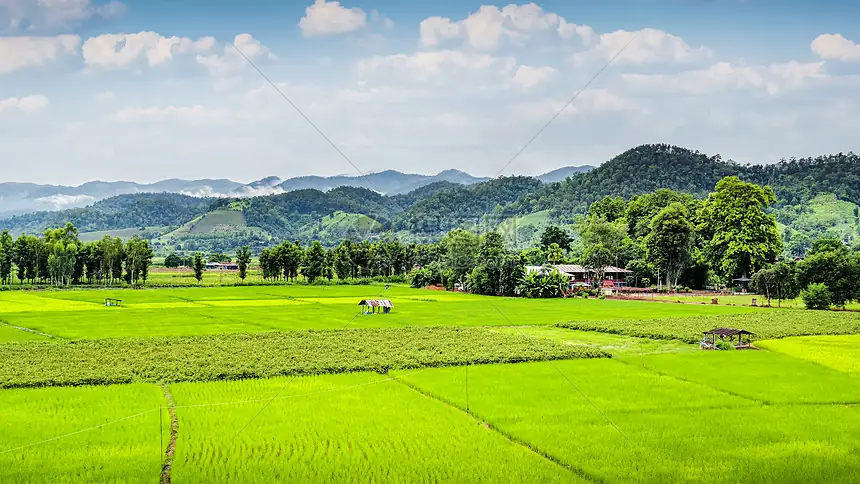
Thailand has a large farming population, and rice, sugarcane, cassava, rubber and fruit & vegetable crops create steady demand for crop protection. Local formulation capacity is limited, so technical materials and intermediates rely heavily on imports — an opening for overseas suppliers.

  • Rice is the largest crop segment; herbicides lead by share
  • Steady growth in bulk AIs like glufosinate and glyphosate
  • Biopesticides and low-toxicity products are policy-supported
  • Provincial distributors dominate; brand concentration is low
Thailand Pesticide Import Value Trend
HS 3808 annual import value (illustrative)
2021
$312M
2022
$374M
2023
$341M
2024
$418M
2025
$476M
2–3 years
Full registration cycle
300+
Registered active ingredients
≈100%
Import dependency
Category 2
Certificate types (technical/formulated/label)
Regulatory Landscape

The Authorities You’ll Deal With

Authority Responsibility What It Means for You
DOA (Dept. of Agriculture)Pesticide registration & label approvalRegistration application, trial approval, label review
DLD (Livestock Development)Veterinary & animal-product registrationVeterinary product registration, import/export permits
Thai FDAFood, drug & related product licencesProduct licensing, label review, import filing
DBD (Business Development)Company setup & annual filingsEntity registration, financial statement filing, business scope
Revenue DepartmentTax registration & filingTax ID, VAT, corporate income tax
DIW (Industrial Works)Hazardous substances & factoriesStorage permits, hazardous substance handling
BOIInvestment incentivesForeign ownership, tax exemptions (where applicable)
Reading the Barrier

A 2–3 Year Barrier — a Cost, and Also a Moat

The long cycle means capital tie-up and time cost, but once certified, latecomers can’t enter quickly — which is exactly why it’s worth investing now.

"

Early registrants lock up distribution. Latecomers, even with cheaper products, must repeat the entire registration cycle — that’s the rule of the game in Thailand.

A
Agro ProService Insight
Based on local registration practice
"

Tighter compliance isn’t bad news. For serious players, clearing out non-compliant competitors makes the market cleaner.

A
Agro ProService Insight
Policy tracking
"

The most expensive thing isn’t the registration fee — it’s delay. One extra year of delay costs more in opportunity cost than the entire service fee.

A
Agro ProService Insight
Project practice

Frequently Asked Questions

How big is the Thai pesticide market?
Thailand is one of the largest pesticide markets in Southeast Asia. It produces almost no technical material domestically, so demand is met almost entirely by imports. Category-level volumes are on our data page, where you can pull recent import quantities and country-of-origin splits by active ingredient and formulation.
What do Chinese products compete on in Thailand?
Price and supply reliability. China is one of the main sources of Thailand's pesticide imports, with a high share in bulk categories such as glufosinate and glyphosate. But two years of price war have squeezed margins thin — competing on price alone no longer works, and the room is in holding certificates and building out channels.
Is it too late to enter Thailand now?
It depends on the category. Bulk herbicides are crowded, with first movers holding both the certificates and the channels. Biopesticides and speciality-crop products still have gaps. What actually gates you is not the market but the registration cycle — start now and the certificate arrives two or three years later. That time gap is the barrier in itself.
Is Thai regulation friendly to Chinese companies?
The regulation itself is not country-specific — DOA applies one standard to everyone. The real barrier is procedural: Thai-language dossiers, local trials, in-person deficiency meetings, all cumbersome and slow. That is why most companies work with a local agent.

Need a Plan Tailored to Your Product?

Tell us your active ingredient, formulation and target market. We’ll come back with feasibility and a cost range within 1–2 weeks.

Get Free Assessment